
Cosmetic Dentistry · Harley Street, Marylebone
Composite Bonding
Composite bonding is a cosmetic dental treatment where a tooth-coloured resin is applied directly to the teeth to repair chips, close gaps, correct asymmetries, or improve overall shape, all without removing any natural tooth structure. It is one of the most conservative options in cosmetic dentistry, typically completed in a single appointment. At This Is It Dental, Dr. Rena Uberoi performs all bonding work under high magnification, taking the time to layer and sculpt the material properly rather than simply patching the surface.
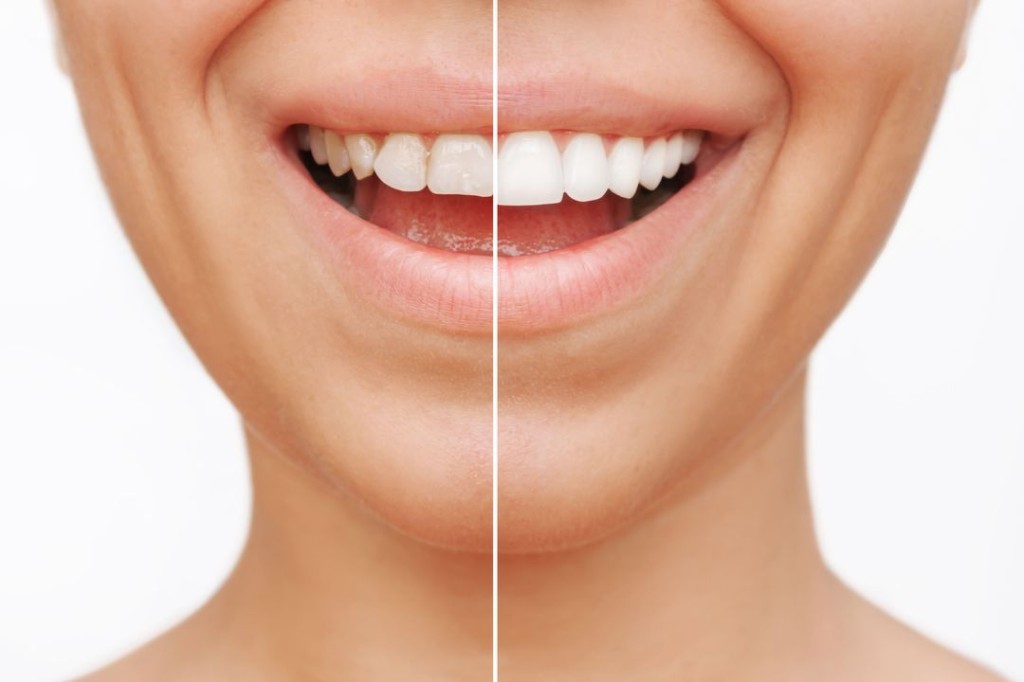
Why Our Approach Is Different
Composite bonding is a highly technique-sensitive procedure that requires artistic precision and structural understanding. In standard high-volume settings, it can be applied quickly, leading to thick margins that trap plaque, cause gum irritation, or chip prematurely under bite pressure.
Dr. Rena Uberoi schedules extended appointments for all bonding work and performs it under high clinical magnification, carefully layering distinct opacities of resin by hand to replicate the natural gradients and translucency of tooth structure. We do not patch over a chip; we rebuild the tooth's anatomy properly. Critically, we always evaluate your bite mechanics before placing any material, if the areas to be treated are exposed to excessive chewing forces, composite will not survive well in that position. Identifying this before we begin, rather than discovering it when the bonding chips, is a fundamental part of what we do.
What Composite Bonding Can Address
- Chipped or fractured incisal edges
- Small gaps between teeth (diastemas)
- Minor length discrepancies and asymmetries between teeth
- Slightly rotated or misshapen teeth
- Surface wear affecting the appearance of front teeth
- Discoloured teeth where internal staining is not severe
The Clinical Process
-
Occlusal Analysis & Shade Mapping
We evaluate your functional bite to ensure bonded areas will not be exposed to excessive structural stress when you chew. We then use a detailed shade guide to match the composite resin to the exact colour, translucency, and depth of your surrounding teeth.
-
Surface Conditioning
The tooth surface is cleaned and a mild conditioning liquid creates microscopic porosity in the outer enamel layer. This is entirely non-invasive and does not compromise the health or structural integrity of your tooth.
-
Meticulous Layering & Sculpting
Medical-grade composite resin, a highly durable organic polymer matrix filled with microscopic glass particles, is applied directly to the tooth. Dr. Uberoi's team shapes and sculpts the material by hand, building up the anatomy with layered precision.
-
Photo-Initiated Polymerisation
A high-intensity LED curing light initiates a chemical reaction that instantly hardens the resin, bonding it permanently to the microscopic pores of your enamel.
-
Refinement & High-Gloss Polishing
A meticulous polishing sequence using ultra-fine discs, diamond paste, and polishing wheels refines the edges and recreates the natural surface texture and high-gloss shine of human enamel.
Clinical Benefits
-
Maximum Preservation
Zero permanent removal of healthy, sound tooth structure. The resin bonds chemically to enamel without any drilling.
-
Immediate Results
The entire transformation is completed in a single, highly focused appointment. No temporaries, no laboratory waiting periods.
-
Entirely Painless
Because the procedure does not reach the sensitive inner dentine layers, it requires no drilling and no local anaesthetic injections.
Transparent fees
| Composite Bonding (per tooth, fee reflects surface area and complexity) | From £450 |
|---|
Fees confirmed in writing at your consultation. No treatment proceeds without your agreement.
Email Dr Rena Uberoi
Send us an email and we aim to get back to you the same day.
Frequently asked questions
Does composite bonding hurt?
No. Because the procedure is entirely additive, the resin is placed on the outer enamel surface, not into the tooth, it is completely painless. No drilling into sound tooth structure is required, and no local anaesthetic is necessary.
How long does composite bonding last?
With good home care, routine hygiene visits, and a stable bite, composite bonding typically lasts between five and seven years. The material can experience minor surface wear over time and may benefit from a brief repolishing appointment to restore its original gloss, a routine maintenance visit, not a full redo.
Will the bonded resin stain over time?
Modern composite resins are highly stain-resistant, though slightly more porous than natural enamel or porcelain. Regular professional Airflow hygiene sessions safely lift any surface micro-staining from coffee, tea, or red wine.
Can I bite into hard foods normally?
Composite is strong and engineered to withstand regular chewing forces, but not quite as resilient as natural enamel. We advise against biting directly into very hard objects, unpopped kernels, ice, hard sweets, or using your teeth as tools. These concentrated forces can chip the edges.
If I plan to whiten my teeth, should I do it before or after bonding?
Always whiten before bonding. Dental bleaching gels only act on natural tooth structure, they have no biological effect on composite resin. By whitening first, your teeth reach their optimal shade and we can precisely colour-match the new bonding resin to your brighter baseline.
Book a bonding consultation
Book a consultation for an honest assessment and a clear written plan.