
Neuromuscular Dentistry · Harley Street, Marylebone
DTR Therapy (Disclusion Time Reduction)
DTR (Disclusion Time Reduction) Therapy is a highly precise, non-surgical, non-invasive way of improving how the teeth bite together and how the jaw muscles function. It is designed to reduce excessive pressure and strain caused by an unbalanced bite, as a conservative alternative to more invasive intervention. At This Is It Dental, DTR is delivered using T-Scan and EMG-guided diagnostics, so treatment is based on objective data rather than guesswork.
What Is DTR Therapy?
Many people are unaware that tiny bite imbalances can contribute to jaw tension and fatigue, clenching and grinding, headaches and facial pain, sensitive or worn teeth, neck and shoulder tension, TMJ discomfort, and broken, cracked, or heavily worn teeth.
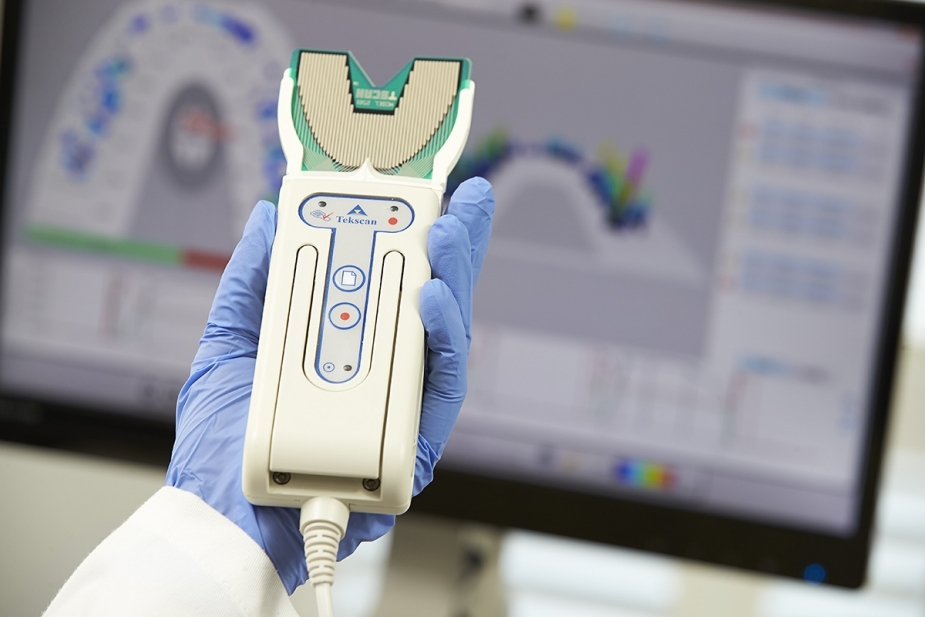
Using advanced digital technology called T-Scan together with muscle analysis (EMG), Dr. Rena Uberoi can measure exactly how the teeth contact and how the jaw muscles respond in real time. This allows treatment to be guided with an exceptional level of precision that cannot usually be achieved by traditional bite papers alone.
What DTR Treatment Involves
DTR treatment involves making very small, careful adjustments to selected tooth contacts in order to help the bite work more harmoniously and reduce excessive muscle strain. The adjustments are extremely conservative and are designed to improve comfort, balance, and function.
The procedure is:
Most patients require approximately three to four visits, although more appointments may occasionally be needed depending on the complexity of the bite and muscle patterns.
- Non-surgical
- Non-invasive
- Usually painless
- Performed without injections in most cases
- Designed to preserve as much natural tooth structure as possible
Why Dr. Uberoi's Approach Is Different
DTR is a specialised technique that goes beyond core dental training to perform safely and effectively. At This Is It Dental, it is guided throughout by T-Scan and EMG data, combining objective bite analysis, jaw joint stability, and precise muscle assessment to create a more balanced and comfortable bite. As every patient is different, a detailed assessment is required first to determine whether DTR therapy is appropriate for your condition. DTR is closely related to the TMJ & Jaw Pain and T-Scan Digital Bite Analysis services offered at This Is It Dental.
Transparent fees
| DTR Therapy (Disclusion Time Reduction) | Price on request |
|---|
Fees confirmed in writing at your consultation. No treatment proceeds without your agreement.
Email Dr Rena Uberoi
Send us an email and we aim to get back to you the same day.
Frequently asked questions
Is DTR therapy painful?
No. DTR is usually painless and performed without injections in most cases. The adjustments made to the bite are extremely small and conservative.
How is DTR different from a standard night guard?
A night guard manages the symptoms of an unbalanced bite by acting as a protective shield. DTR instead identifies and corrects the specific bite contacts driving the problem, using objective T-Scan and EMG data rather than guesswork.
How many appointments does DTR therapy take?
Most patients require approximately three to four visits, though more may occasionally be needed depending on the complexity of the bite and muscle patterns involved.
Is DTR therapy right for everyone with jaw tension or headaches?
Not necessarily. As every patient's bite and muscle patterns are different, a detailed assessment combining clinical history, T-Scan, and EMG is required first to determine whether DTR therapy is the appropriate treatment for your specific condition.
Book a DTR consultation
Book a consultation for an honest assessment and a clear written plan.